What an NCR factory is allowed to burn, and how that changes process heat
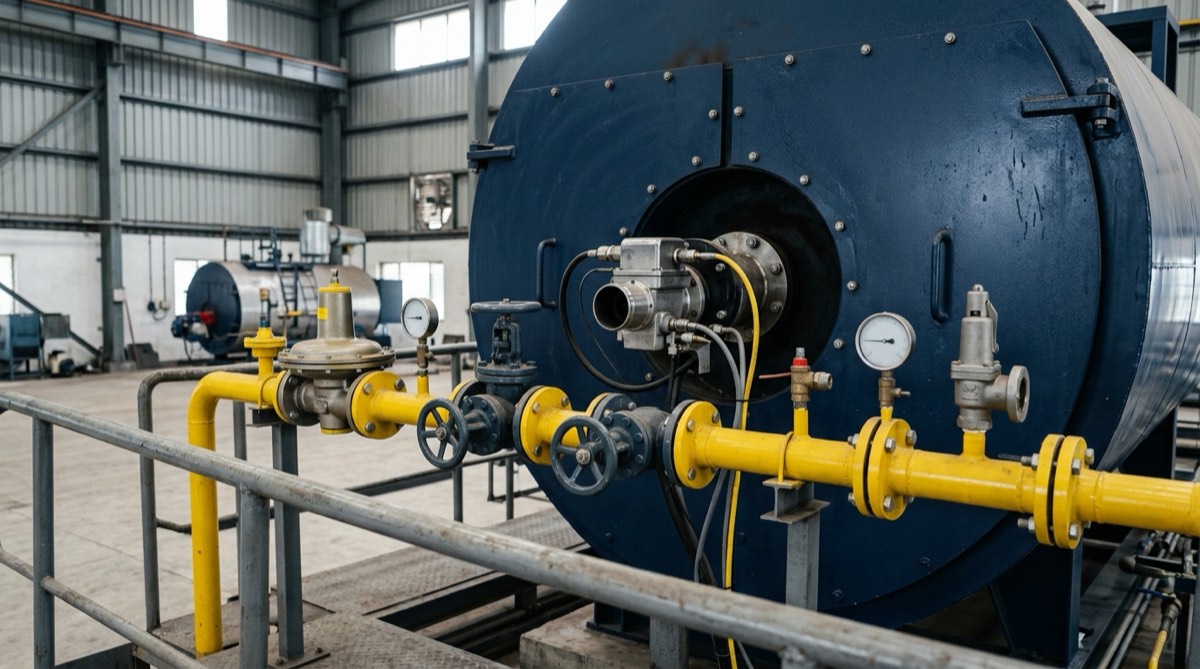
Coal has been banned across NCR since 1 January 2023, along with pet coke, furnace oil, LDO and naphtha. Use of an unapproved fuel leads straight to closure and heavy environmental compensation. What remains approved is petrol, diesel, hydrogen and methane, natural gas, LPG and electricity, plus biomass for industrial boilers.
So the compliant path out of coal in NCR is usually a gas conversion, which costs about ₹1 crore including pipeline, boiler and auxiliaries. Whether a plant should take that path depends on what its duties need. A substantial share of them are hot water below 100°C, and those can leave fuel entirely.
What is permitted
Here are both lists in full. Plants get into trouble working from half a list.
| Status | Fuels |
|---|---|
| Approved for use in NCR | Petrol, diesel, hydrogen and methane, natural gas, LPG, electricity, and biomass for industrial boilers |
| Banned across NCR | Coal, pet coke, furnace oil, LDO, naphtha |
Two things follow from that list.
Gas is compliant. The rules push a plant leaving coal toward the approved list, and natural gas is on it. A supplier may present a heat pump as the answer to the coal ban. That supplier will meet a plant manager who already has a burner conversion quotation on the desk.
Biomass is approved and still may not work. It appears on the list for industrial boilers, but it cannot meet the 50 mg/Nm³ particulate limit that applies there. Several units switched to biomass and found that the emission limit was the binding constraint.
Only eight states and one union territory have formally notified approved fuel lists at all. NCR plants are therefore further through this than most of the country.
What the compliant gas path costs
A coal-to-PNG conversion costs about ₹1 crore, including pipeline, boiler and auxiliaries.
In this market, that figure is the benchmark. A plant here usually compares a heat pump against it. The question becomes what electric heat costs compared with the gas conversion.
It also carries two things a capital committee should price properly.
Ongoing fuel price exposure. Industrial gas in India tracks imported LNG, not administered domestic gas. Asian spot LNG was USD 21.38 per MMBtu on 31 July 2026. The Panipat dyeing belt shows what that exposure can do. In that belt, the switch to piped gas made units uncompetitive and closed 60 to 70 of them.
Scope 1 emissions that do not go away. A gas boiler is a combustion source with a stack, and a customer sustainability audit or an export requirement will eventually ask about it. Converting from coal to gas reduces that number. It does not remove it.
So a gas conversion is compliant but transitional, and electrification of the duties that can take it is terminal. A plant can reasonably do both: convert what needs fuel, and move what does not.
Which duties in an NCR plant can leave fuel
This is where the belts matter, because what is made in them decides the duty set.
Manesar and Bawal are automotive and component belts. The duty set there is the best-performing one for a heat pump, because everything in range sits at the comfortable end of the temperature curve:
| Duty | Temperature | In range |
|---|---|---|
| Alkaline degrease | 55 to 80°C | Yes |
| Zinc phosphating | 50 to 60°C | Yes |
| Hot rinses between stages | Below 100°C | Yes |
| Component and parts washing | 55 to 80°C | Yes |
| Paint shop air handling reheat | Below 100°C | Yes |
| Electrodeposition cure oven | 190°C | No |
| Bake oven | 140 to 200°C | No |
| Powder cure oven | 177 to 204°C | No |
Every bath is in. Every oven is out. The automotive page works through that split and the electrocoat bath cooling duty that makes a paint line unusually well suited to this equipment.
Faridabad has a large electroplating and surface finishing cluster, and its duty set is close to the same one. Degrease, pickling, plating baths and hot rinses are all below 100°C. Those units are among the most exposed to the fuel rules, because the smaller the plant the harder a ₹1 crore conversion is to carry. The metal finishing page covers the bath duties in detail.
The Panipat and Sonipat dyeing belt is a different duty set again, and it has its own page.
All three belts share one pattern. The addressable share is whatever is hot water below 100°C. In bath-heavy plants, that is most of the thermal load.
What about the electricity side?
Check three things before assuming electrification is straightforward.
Check your sanctioned load first. Moving a thermal duty to electricity raises contract demand. The incremental draw is the thermal duty divided by the coefficient of performance at your output temperature. Pull twelve months of bills and compare your highest recorded maximum demand against your sanction before assuming an enhancement is needed. Many plants have headroom set for a peak that no longer happens. The full procedure and what an enhancement costs is here.
Check your power factor, because a large compressor makes an existing problem worse and correction sized alongside the machine can pay for part of it.
Run the breakeven on your own tariff. Haryana and Delhi industrial tariffs are not in our cost-of-heat tables. Take your own landed tariff off your bill and run it through the cost-of-heat arithmetic. That page publishes every assumption, so you can rebuild it against your own invoice.
Heat pump against the gas conversion
Coal is banned, and the status quo is being removed. So the real comparison is a heat pump against the gas conversion you have probably already been quoted for.
Three questions settle it:
- What share of your thermal load is hot water below 100°C? That is the share a heat pump addresses. Everything above it needs the gas conversion regardless.
- What does that gas conversion cost, and what does it leave you exposed to? The capital is around ₹1 crore on the published benchmark. The exposure is an oil-linked fuel price and a scope 1 number.
- What does the electrical side cost you, including any load enhancement and the deposit that follows it?
A plant where most of the load is bath heating usually reaches the same answer. Electrify the bath line, and size the remaining fired plant for what is left. The alternative is converting the whole boiler house to gas and repeating the exercise in a decade.
What to do next
List every fuel-fired duty in the plant with the temperature it holds. Take that temperature from the instrument, not the drawing. Split the list at 100°C. Get your twelve months of electricity bills. Then compare the two paths side by side on the same page.
The savings calculator runs the running-cost arithmetic on your own tariff. The full temperature envelope sets out what our equipment delivers and where it stops. When you have the duty list, send it to us.
Frequently asked questions
- What fuels are approved for industry in NCR?
- The approved list is petrol, diesel, hydrogen and methane, natural gas, LPG and electricity, plus biomass for industrial boilers. Coal, pet coke, furnace oil, LDO and naphtha are banned across NCR. Use of an unapproved fuel since 1 January 2023 leads straight to closure and heavy environmental compensation.
- Is a heat pump the answer to the NCR coal ban?
- A heat pump is not the whole answer. Natural gas and LPG are also on the approved list, so the compliant route out of coal in NCR is usually a gas conversion. A heat pump competes against that conversion, not against coal. Gas is compliant but transitional, while electrification is terminal.
- What does a coal to gas conversion cost in NCR?
- About ₹1 crore including pipeline, boiler and auxiliaries, on the published figure. That is the number any alternative should be benchmarked against in this market, because it is the quotation a plant here is usually already holding.
- Why does biomass not solve it?
- Biomass is on the approved list for industrial boilers, but it cannot meet the 50 mg/Nm³ particulate limit that applies in NCR. The constraint is the emission limit, not the fuel list. That is why some units that switched to biomass found themselves back at the same question.
- Which duties in an NCR plant can leave fuel entirely?
- Anything that is hot water below 100°C. In the Manesar and Bawal automotive belts, that means alkaline degrease at 55 to 80°C and zinc phosphating at 50 to 60°C. It also means hot rinses and parts washing. Every paint oven is out of range and stays on fuel. In a plating and finishing shop most of the bath line is in range.